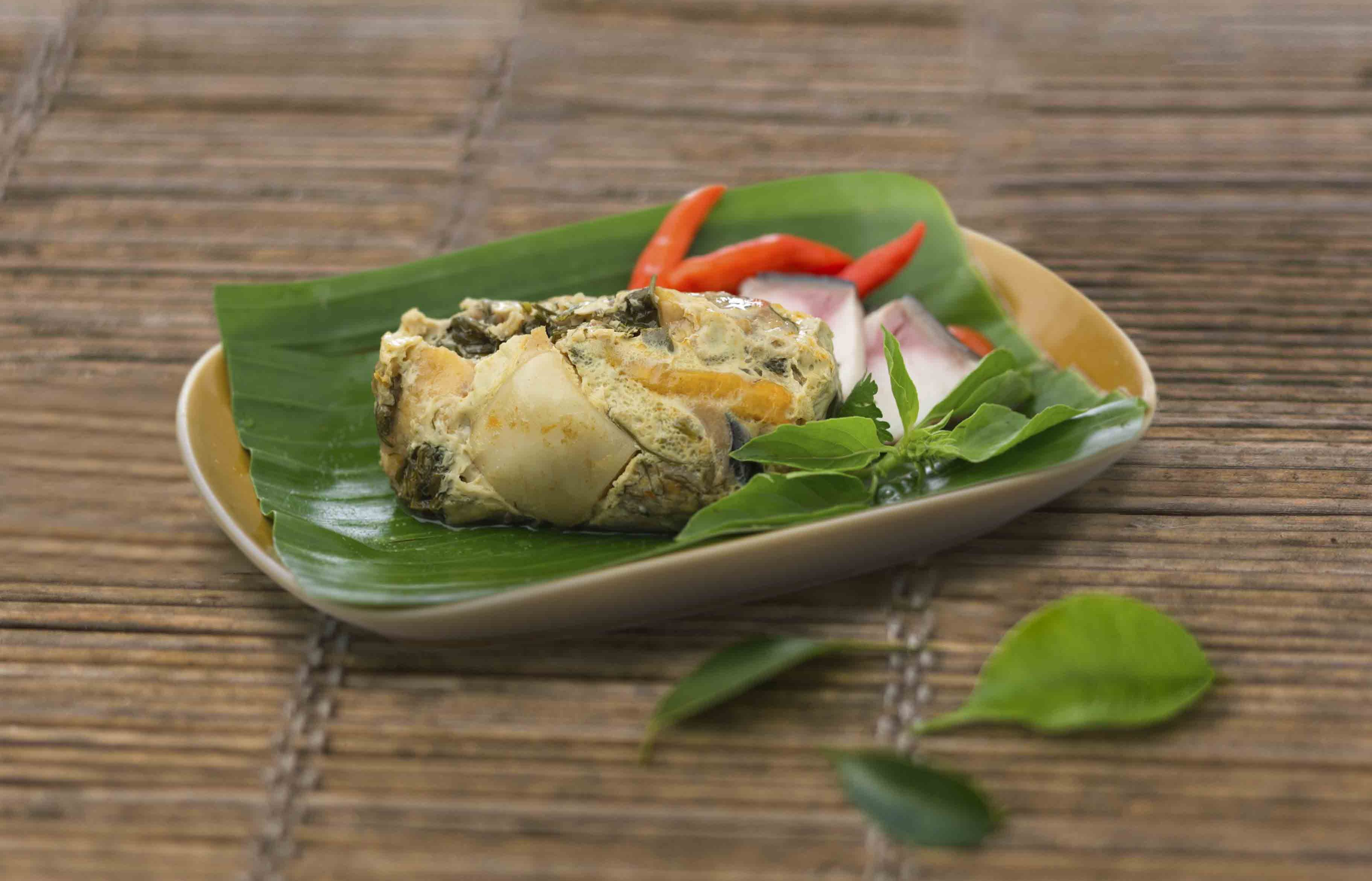
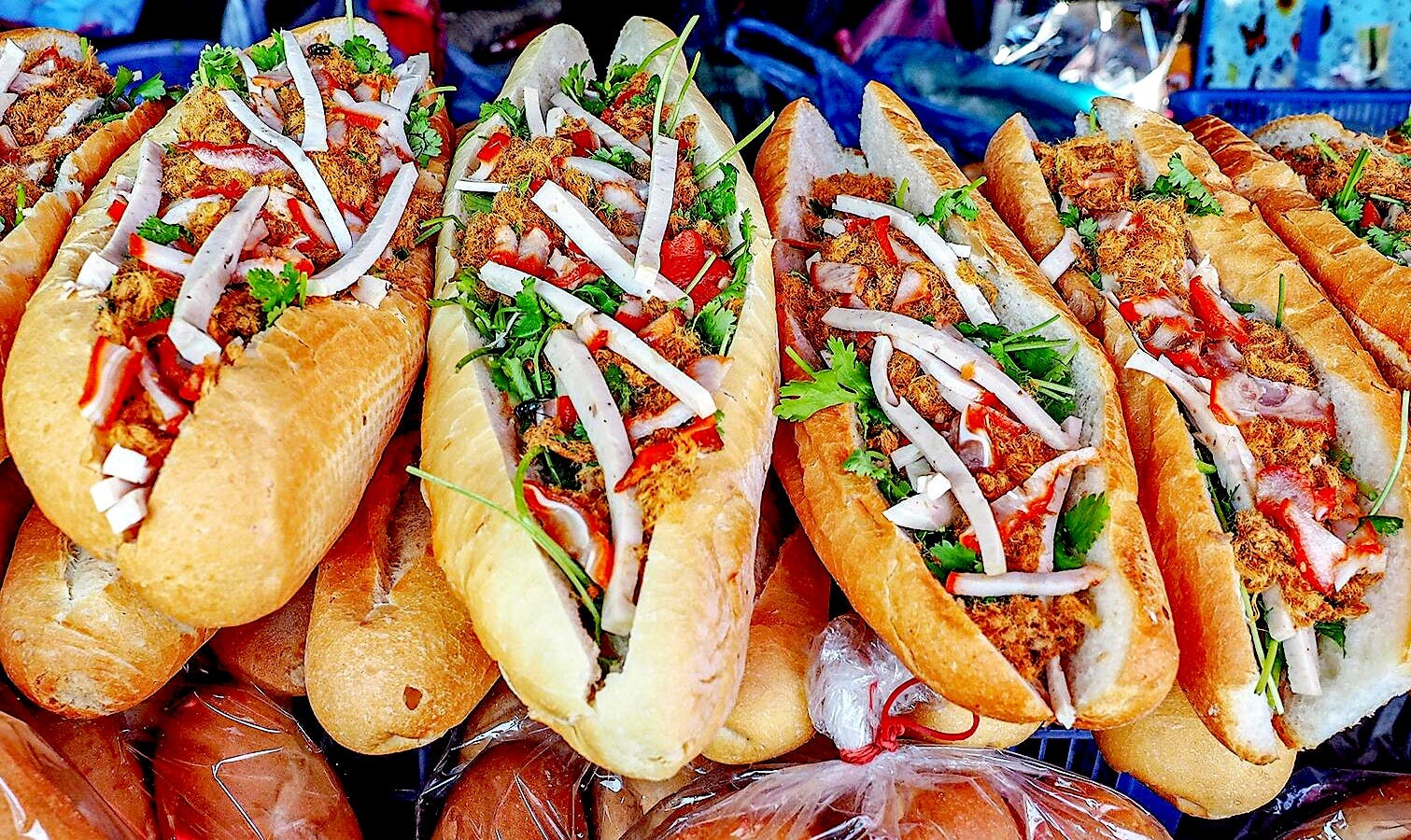
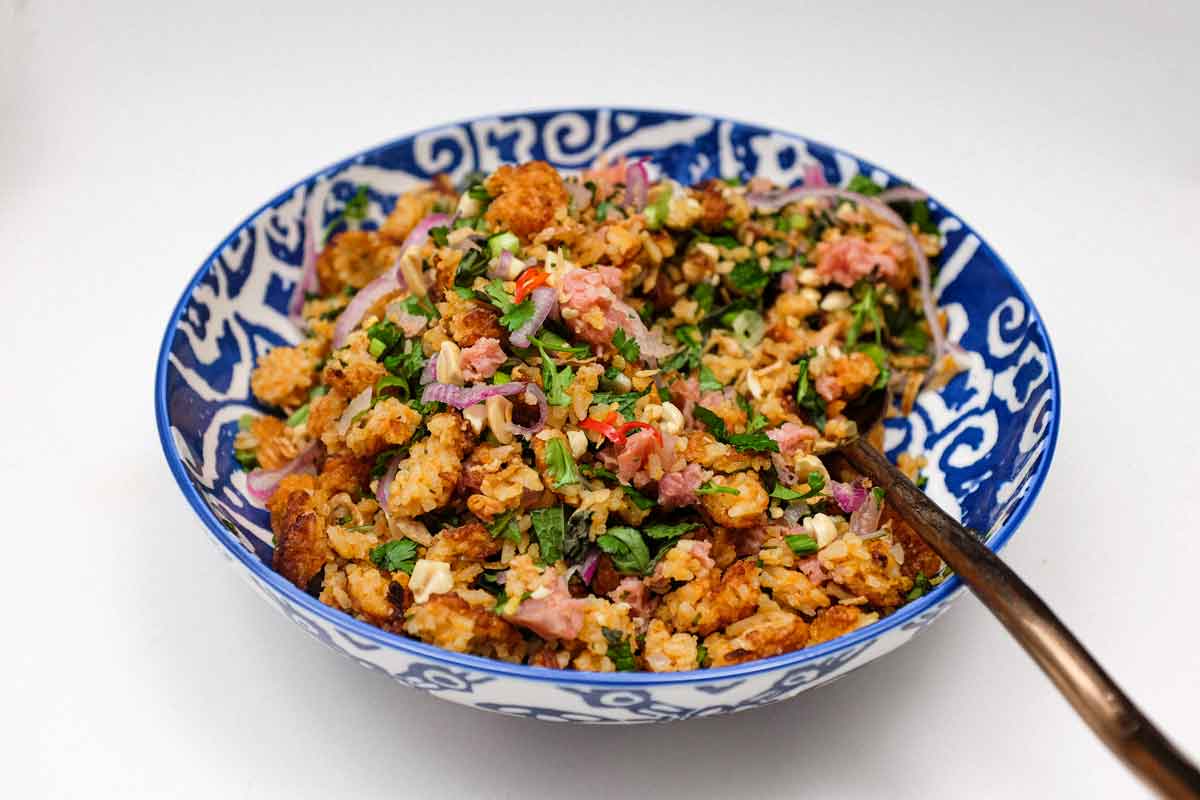
Laos specialty dishes are remarkably diverse, both in ingredients and presentation. Traditional food of Laos offers a rich blend of flavors, ingredients, and cooking methods that reflect the country’s long-standing culture and way of life. Let’s explore the unique world of Lao traditional cuisine together!
1. Key Characteristics of Laos Traditional Cuisine
One of the most distinctive features that makes Laos cuisine special lies not only in its flavors but also in the way food is prepared and shared, reflecting the deep cultural identity of the Lao people. A notable aspect of Lao dining is the use of sticky rice (khao niew) as the staple food. Unlike many Asian countries that primarily consume regular rice, sticky rice is a daily essential in most Lao meals. It is typically kept in woven bamboo baskets, and diners form small portions by hand to dip into sauces or enjoy with other dishes.
Laos cuisine is renowned for its bold and fresh flavors, made possible by the use of unique ingredients such as fermented fish sauce (padek), aromatic herbs like mint, lemongrass, and coriander, along with fresh chili, lime juice, and roasted ground rice. The harmonious blend of salty, sour, spicy, and bitter tastes results in dishes that are rustic yet incredibly enticing.
Meals in Laos are usually served family-style on a shared tray, with several small dishes placed in the center. This communal way of eating highlights the strong sense of togetherness in Lao culinary culture. Most Lao dishes are prepared by steaming, grilling, or served raw, with minimal use of stir-frying. This cooking style reflects a simple lifestyle that values health and balance in daily meals.
Additionally, fermentation plays a vital role in traditional Lao cuisine. From fermented fish and pickled vegetables to various dipping sauces, this method enhances the depth and richness of flavors, giving Lao food its distinctive and unforgettable character.
2. Must-Try Traditional Lao Dishes
2.1. Laap
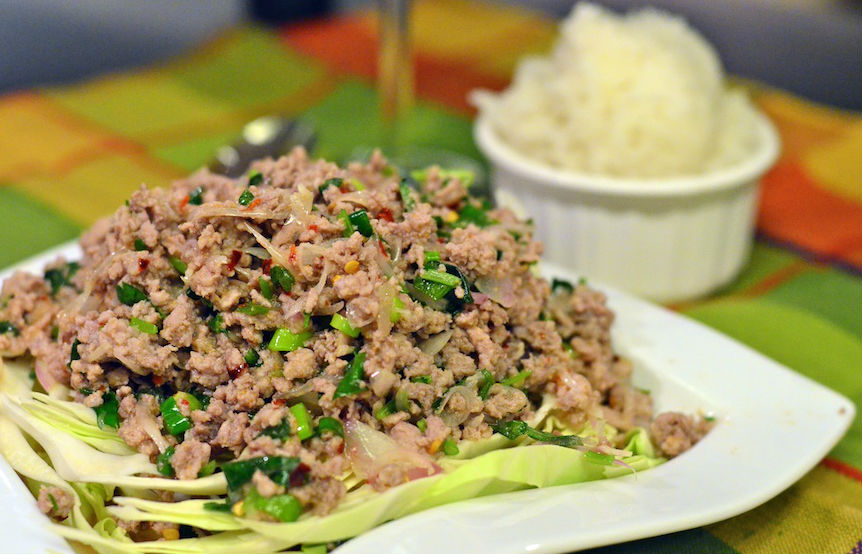
Laap is considered a signature dish in Laos cuisine and is often served during festivals and family gatherings. It is also regarded as a symbol of good fortune and is commonly prepared as a gift during the New Year celebrations.
This dish is a type of meat salad made from grilled beef, chicken, or pork, mixed with fresh herbs, kaffir lime leaves, chili, and sesame oil. Laap can be enjoyed with fresh vegetables and pairs especially well with sticky rice.
2.2. Tam Mak Hoong
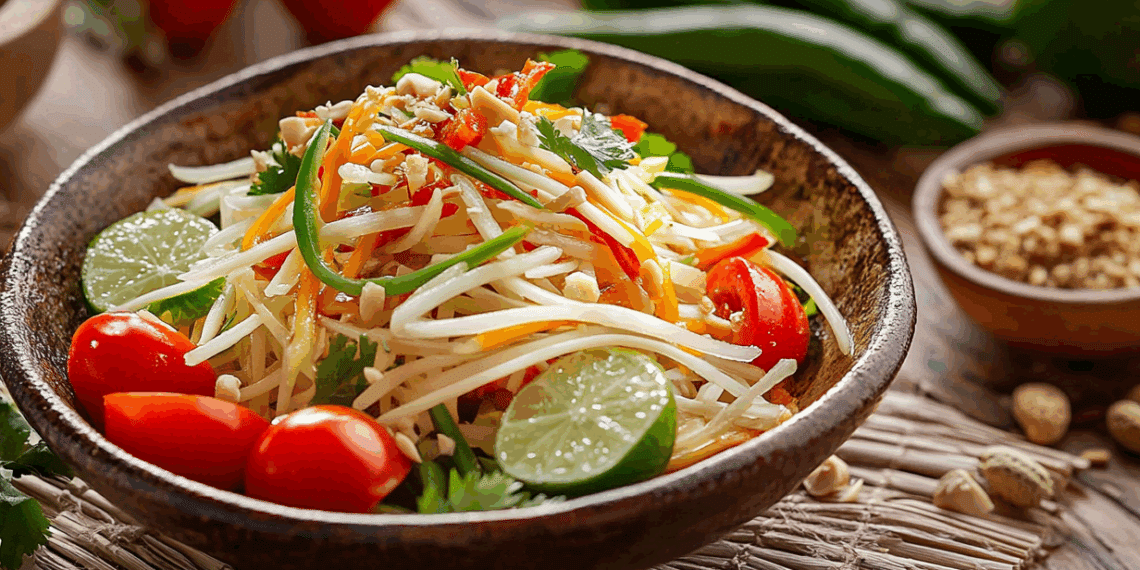
Tam Mak Hoong is a traditional Lao green papaya salad that is both refreshing and flavorful. It’s made with shredded green papaya, mixed with garlic, chili, peanuts, and a distinct Lao-style fermented fish sauce.
While it resembles Thailand’s Som Tum, the difference lies in the use of fermented fish sauce and a slightly different combination of ingredients. Tam Mak Hoong is known for its unique sour and spicy taste, usually served with steamed rice.
2.3. Sai Oua
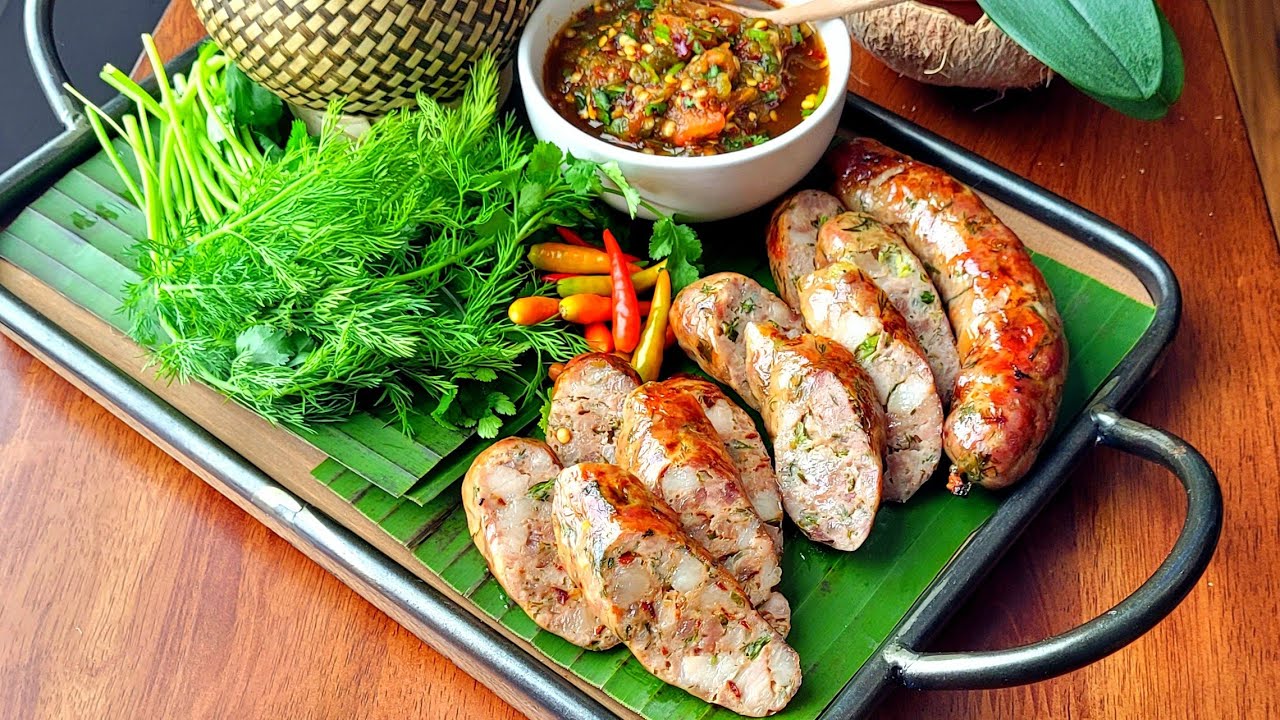
Sai Ou – a traditional food of Laos is a flavorful sausage made from minced pork combined with a variety of herbs and spices such as galangal, kaffir lime leaves, shallots, coriander, chili, and fish sauce. Once marinated, the mixture is stuffed into casings and grilled over charcoal until it turns golden and releases a fragrant aroma.
With its rich, savory taste and distinctive herbal scent, Sai Oua is a beloved dish among both locals and visitors, often enjoyed on its own or paired with other traditional Lao foods.
2.4. Or Lam

Originating from the ancient capital of Luang Prabang, Or Lam is a hearty stew with a mildly spicy flavor. This dish usually includes meat, commonly beef or chicken, simmered together with eggplant, wild mushrooms, tofu, chili, lemongrass, basil, and a special local plant called Mai Sakaan that brings a distinctive peppery heat to the dish.
With its rich blend of herbs and vegetables, Or Lam represents the depth and warmth of traditional Lao home cooking.
2.5. Khao Poon

Khao Poon is a traditional spicy noodle soup that is highly popular in Laos, often served during festivals and family meals. The broth is simmered from chicken or pork bones, combined with aromatic herbs such as lemongrass, kaffir lime leaves, turmeric, garlic, chili, and fish sauce. The fine, soft rice noodles are generously ladled with the fragrant broth and served with fresh vegetables, bean sprouts, banana blossom, and herbs.
With its mildly spicy, tangy flavor and herbal aroma, Khao Poon delivers a well-balanced and rich taste. It is not only a common dish but also a symbol of warmth in Lao cuisine.